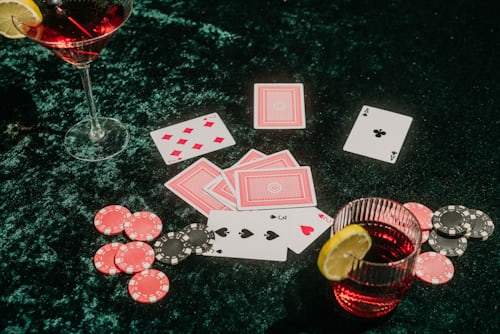
The Nature of Luck in Gambling
Luck plays a pivotal role in the world of gambling, fundamentally impacting outcomes across various games. In casinos, luck is often characterized as the unpredictable element that can lead to astonishing victories or crushing defeats. For instance, in games like slots or roulette, players rely on chance to determine their success, with some even consulting resources like roofing-near-me.ca to better understand strategies. The randomness of these games means that even the most seasoned gamblers can experience significant swings in fortune, often attributed solely to luck. This unpredictability can evoke a sense of excitement and anticipation, as players await the outcome of each spin or draw.

The concept of luck encompasses not just the immediate results of a game, but also the broader context of the gambling experience. Players may find themselves on streaks of good luck or face extended periods of losses without clear reasons. Understanding that luck is a substantial factor can shape how gamblers approach their play. For instance, embracing the idea of luck allows players to experience the thrill of chance without the burden of constant pressure to perform skillfully. This acceptance of luck can create a more enjoyable and less stressful gaming experience, as players learn to appreciate the moment rather than obsess over outcomes.
This reliance on luck can lead to a paradox in gambling, where the unpredictability of outcomes can enhance the excitement of the game. Casinos often capitalize on this aspect by creating environments that amplify the senses, making every spin or deal feel like a unique event influenced by chance. The flashing lights, vibrant sounds, and overall atmosphere contribute to the feeling of being in a place where anything can happen. Ultimately, the role of luck is significant, acting as both a source of hope and a reminder of the transient nature of gambling success, where fortunes can change in an instant.
The Importance of Skill in Casino Games
While luck is a dominant factor in many gambling scenarios, skill also plays a crucial role, especially in games that require strategy and decision-making. Card games like poker and blackjack exemplify this, as players utilize their knowledge of the game, psychological insight into opponents, and tactical prowess to enhance their chances of winning. In these instances, skill can significantly mitigate the randomness of luck, allowing skilled players to consistently outperform novices. Such players often find themselves engaged in a mental battle, where understanding the nuances of the game can lead to a significant edge over their less experienced counterparts.
The ability to make informed decisions, manage one’s bankroll, and understand game mechanics can give players a substantial advantage. For example, a poker player well-versed in the odds and player psychology can turn a seemingly unfavorable situation into a strategic advantage. Skillful play involves the execution of strategies that leverage probabilities, timing, and even bluffing, which can make all the difference in the outcome of the game. This strategic thinking not only boosts a player’s potential for winning but also enhances their overall enjoyment of the game.
Moreover, the notion of skill in gambling extends beyond individual gameplay; it also encompasses the ability to read situations and adapt to changing dynamics within a casino environment. Skilled players often remain composed under pressure, maintaining a clear focus that minimizes emotional responses to wins or losses. This mental discipline, combined with a strong grasp of game theory and probabilities, highlights how skill can elevate a player’s success even amidst the chaotic realm of luck. Consequently, the integration of skill into gambling can transform the experience from mere chance to an engaging intellectual pursuit.
The Luck-Skill Balance in Gaming Strategies
The interplay between luck and skill defines the strategies employed by gamblers across diverse games. In certain scenarios, players may lean heavily on luck, especially in games where skill has little bearing on outcomes. For example, in a slot machine game, players press buttons and hope for favorable outcomes, frequently relying on local or global jackpots. In such cases, strategy may revolve around choosing machines based on payout history rather than skill development. This reliance on chance often leads to a more casual approach to gaming, where enjoyment takes precedence over serious strategy.
Conversely, in strategic games like poker, the balance tips toward skill, emphasizing the importance of education and practice. Successful poker players often analyze their opponents’ movements, calculate pot odds, and engage in psychological tactics, showcasing how skill can transform a game that is ostensibly based on luck into a contest of resolve and intellect. This balance is essential in refining one’s approach to gambling; understanding when to lean on luck and when to apply skill can significantly enhance the overall experience and potential for success. Players who recognize this dynamic can navigate the gaming landscape more effectively.
Ultimately, the luck-skill balance varies from player to player and game to game, with some individuals thriving in environments dictated by chance while others excel in skill-based scenarios. Recognizing this duality can aid players in developing personalized strategies that align with their strengths, whether they lean towards embracing randomness or honing their skills to gain an advantage in gameplay. This tailored approach not only enhances the likelihood of success but also fosters a deeper connection to the games being played.
Psychological Aspects of Luck and Skill
In the world of gambling, psychological factors heavily influence how luck and skill are perceived and navigated by players. The belief in luck often leads to emotional highs and lows, where winning streaks can create a euphoric sense of invincibility, while losses can lead to frustration or despair. This psychological rollercoaster is integral to the gambling experience, as players grapple with both the hope of good fortune and the frustration of bad luck. Understanding this emotional landscape can be crucial for players aiming to maintain a balanced approach to their gambling habits.
Skill, too, has psychological dimensions; competent players often experience increased confidence, enabling them to make bolder decisions based on their knowledge and experience. This confidence can reinforce a positive feedback loop: successful plays boost self-assurance, encouraging even more calculated risks. However, overconfidence can lead to reckless behavior, blurring the lines between skillful play and the overestimation of one’s abilities, which ultimately hinges back on the luck of the draw. Recognizing these psychological pitfalls can help players manage their strategies more effectively.
Moreover, understanding the psychological relationship between luck and skill can enhance a player’s overall strategy. Gamblers who can manage their emotions effectively and maintain a balanced perspective toward both elements may enjoy a more sustainable and fulfilling gaming experience. Recognizing how their mindset influences their gambling choices allows players to refine their approach, whether they prioritize strategic planning or embrace the whimsy of chance. This awareness can lead to improved decision-making and a more enjoyable gambling experience overall.
Finding Resources and Information on Luck and Skill in Gaming
When navigating the complex landscape of gaming strategies concerning luck and skill, it is crucial for players to seek out credible resources and information. Numerous platforms provide insights into effective techniques, game mechanics, and psychological aspects of gambling. Engaging with dedicated gaming communities, forums, and educational websites can offer valuable perspectives on improving one’s approach to both luck-based and skill-based games. This engagement can foster a sense of community and shared knowledge that benefits all players.
Additionally, many casinos provide tutorials and guides on their websites, helping players understand various games and develop strategies tailored to their preferences. The availability of this educational material empowers individuals to make informed decisions, fostering a deeper appreciation for the intricacies of gambling, whether it leans more on luck or skill. Gamblers are encouraged to explore diverse methods and resources to fully grasp the dynamic interplay between these two critical components, which can ultimately enhance their gaming experience.
Moreover, as the gambling environment continues to evolve, staying updated on trends and advancements in game design can enhance a player’s understanding of how luck and skill function in modern gaming. With the advent of technology, new games are being designed incorporating elements of both chance and strategy, creating richer experiences for players. Therefore, staying informed and continuously learning becomes essential for anyone looking to refine their skillset and enhance their overall success in the casino world, leading to a more rewarding and engaging gambling experience.